" width="68.77999905395508px"><g d="M 12.674 2.123 C 12.695 2.123 12.716 2.125 12.737 2.127 L 12.848 2.134 L 12.995 2.129 C 13.078 2.126 13.16 2.123 13.243 2.123 C 19.356 2.123 24.33 7.019 24.33 13.039 C 24.32 16.088 23.031 18.993 20.777 21.046 L 19.663 22.062 L 21.004 22.762 C 24.645 24.663 26.906 28.36 26.906 32.412 C 26.906 38.431 21.933 43.328 15.82 43.328 L 4.223 43.328 C 3.083 43.328 2.156 42.415 2.156 41.293 L 2.156 4.158 C 2.156 3.036 3.083 2.123 4.223 2.123 Z M 15.82 45.452 C 23.122 45.452 29.063 39.602 29.063 32.412 C 29.063 28.04 26.858 24.013 23.226 21.602 C 25.312 19.24 26.486 16.19 26.486 13.04 C 26.486 5.85 20.545 0 13.243 0 C 13.136 0 13.028 0.003 12.921 0.007 L 12.881 0.008 C 12.812 0.004 12.745 0 12.675 0 L 4.223 0 C 1.894 0 0 1.865 0 4.158 L 0 41.293 C 0 43.586 1.894 45.451 4.223 45.451 L 15.82 45.451 Z" fill="transparent" height="45.452px" id="os1n0rsF7" transform="translate(39.717 0)" width="29.063000000000002px"><path d="M 12.674 2.123 C 12.695 2.123 12.716 2.125 12.737 2.127 L 12.848 2.134 L 12.995 2.129 C 13.078 2.126 13.16 2.123 13.243 2.123 C 19.356 2.123 24.33 7.019 24.33 13.039 C 24.32 16.088 23.031 18.993 20.777 21.046 L 19.663 22.062 L 21.004 22.762 C 24.645 24.663 26.906 28.36 26.906 32.412 C 26.906 38.431 21.933 43.328 15.82 43.328 L 4.223 43.328 C 3.083 43.328 2.156 42.415 2.156 41.293 L 2.156 4.158 C 2.156 3.036 3.083 2.123 4.223 2.123 Z M 15.82 45.452 C 23.122 45.452 29.063 39.602 29.063 32.412 C 29.063 28.04 26.858 24.013 23.226 21.602 C 25.312 19.24 26.486 16.19 26.486 13.04 C 26.486 5.85 20.545 0 13.243 0 C 13.136 0 13.028 0.003 12.921 0.007 L 12.881 0.008 C 12.812 0.004 12.745 0 12.675 0 L 4.223 0 C 1.894 0 0 1.865 0 4.158 L 0 41.293 C 0 43.586 1.894 45.451 4.223 45.451 L 15.82 45.451 Z" fill="rgb(255, 255, 255)" height="45.452px" id="ikVZND_nY" width="29.063000000000002px"/></g><g d="M 15.873 2.123 C 23.385 2.149 29.489 8.176 29.489 15.579 C 29.489 19.158 28.023 22.718 25.469 25.344 C 22.862 28.026 19.436 29.501 15.822 29.501 L 14.742 29.501 L 14.742 41.293 C 14.742 42.415 13.815 43.328 12.675 43.328 L 4.223 43.328 C 3.083 43.328 2.156 42.415 2.156 41.293 L 2.156 4.158 C 2.156 3.036 3.083 2.123 4.223 2.123 Z M 16.898 41.293 L 16.898 31.588 C 20.704 31.322 24.266 29.65 27.026 26.813 C 29.961 23.795 31.645 19.699 31.645 15.579 C 31.645 7.023 24.605 0.056 15.928 0 L 4.223 0 C 1.895 0 0 1.865 0 4.158 L 0 41.293 C 0 43.586 1.895 45.451 4.223 45.451 L 12.675 45.451 C 15.004 45.451 16.898 43.586 16.898 41.293 Z" fill="transparent" height="45.451px" id="MK_sq4_Cc" width="31.645000000000003px"><path d="M 15.873 2.123 C 23.385 2.149 29.489 8.176 29.489 15.579 C 29.489 19.158 28.023 22.718 25.469 25.344 C 22.862 28.026 19.436 29.501 15.822 29.501 L 14.742 29.501 L 14.742 41.293 C 14.742 42.415 13.815 43.328 12.675 43.328 L 4.223 43.328 C 3.083 43.328 2.156 42.415 2.156 41.293 L 2.156 4.158 C 2.156 3.036 3.083 2.123 4.223 2.123 Z M 16.898 41.293 L 16.898 31.588 C 20.704 31.322 24.266 29.65 27.026 26.813 C 29.961 23.795 31.645 19.699 31.645 15.579 C 31.645 7.023 24.605 0.056 15.928 0 L 4.223 0 C 1.895 0 0 1.865 0 4.158 L 0 41.293 C 0 43.586 1.895 45.451 4.223 45.451 L 12.675 45.451 C 15.004 45.451 16.898 43.586 16.898 41.293 Z" fill="rgb(255, 255, 255)" height="45.451px" id="BSb6VCqnQ" width="31.645000000000003px"/></g><path d="M 5.628 2.222 C 5.854 2.401 5.967 2.659 5.967 2.995 C 5.967 3.159 5.921 3.319 5.835 3.459 C 5.747 3.606 5.637 3.741 5.505 3.866 C 5.372 3.991 5.229 4.105 5.075 4.208 C 4.92 4.311 4.777 4.4 4.645 4.476 C 4.546 4.389 4.438 4.291 4.323 4.183 C 4.096 3.971 3.909 3.72 3.769 3.443 C 3.703 3.307 3.67 3.169 3.67 3.027 C 3.67 2.702 3.78 2.442 4 2.246 C 4.22 2.051 4.49 1.953 4.81 1.953 C 5.106 1.945 5.395 2.04 5.628 2.222 Z M 6.083 9.115 C 5.808 9.354 5.529 9.555 5.248 9.717 C 4.968 9.881 4.634 9.961 4.248 9.961 C 4.05 9.961 3.854 9.926 3.661 9.856 C 3.468 9.785 3.3 9.691 3.157 9.571 C 3.014 9.451 2.898 9.305 2.81 9.131 C 2.721 8.958 2.678 8.763 2.678 8.546 C 2.673 8.35 2.713 8.155 2.793 7.976 C 2.869 7.815 2.972 7.669 3.099 7.544 C 3.226 7.42 3.369 7.306 3.529 7.203 C 3.69 7.099 3.852 6.998 4.017 6.901 Z M 11.604 5.876 L 8.728 5.876 L 7.587 7.406 L 6.083 5.828 C 6.381 5.675 6.658 5.499 6.918 5.298 C 7.174 5.1 7.405 4.87 7.604 4.614 C 7.8 4.364 7.958 4.087 8.075 3.792 C 8.191 3.5 8.248 3.18 8.248 2.832 C 8.248 2.344 8.155 1.923 7.968 1.571 C 7.78 1.218 7.53 0.925 7.215 0.692 C 6.901 0.459 6.54 0.285 6.133 0.17 C 5.725 0.057 5.295 0 4.843 0 C 4.38 0 3.928 0.054 3.488 0.163 C 3.068 0.262 2.67 0.439 2.314 0.684 C 1.972 0.922 1.699 1.226 1.496 1.595 C 1.291 1.964 1.19 2.409 1.19 2.93 C 1.187 3.188 1.218 3.445 1.281 3.695 C 1.341 3.922 1.43 4.141 1.545 4.346 C 1.663 4.555 1.801 4.751 1.959 4.932 C 2.13 5.13 2.303 5.325 2.479 5.518 C 2.126 5.638 1.801 5.798 1.504 5.998 C 1.206 6.199 0.944 6.435 0.719 6.706 C 0.493 6.977 0.316 7.279 0.19 7.609 C 0.063 7.941 0 8.291 0 8.659 C 0 9.235 0.115 9.739 0.347 10.173 C 0.572 10.6 0.892 10.97 1.281 11.255 C 1.682 11.548 2.133 11.765 2.611 11.898 C 3.111 12.04 3.629 12.111 4.149 12.11 C 4.843 12.11 5.469 12.001 6.025 11.784 C 6.581 11.567 7.102 11.215 7.587 10.727 L 8.563 11.817 L 11.753 11.817 L 9.141 9.099 Z" fill="rgb(255, 255, 255)" height="12.11001222531282px" id="m9Jqx58nJ" transform="translate(23.272 33.341)" width="11.753000000000004px"/></g></svg>)
Feast India

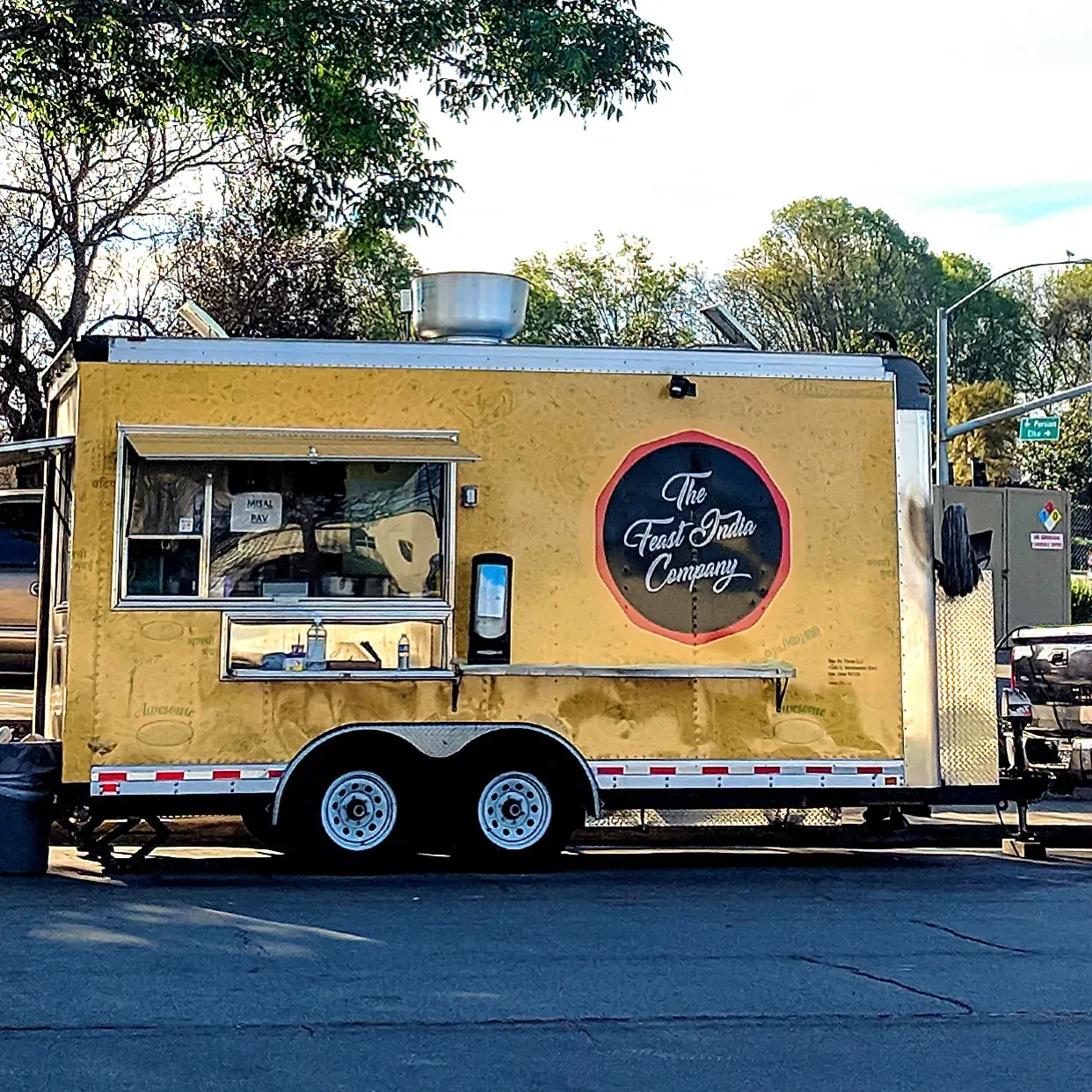
Food Truck Branding: How The Feast India Company Won Sunnyvale
Discover how food truck branding transformed The Feast India Company into a Sunnyvale favorite through smart Indian restaurant identity design. Read the full case study.
Introduction
Standing out in a crowded food truck market takes more than good recipes. It takes a brand identity that tells a story before a single bite is served. The Feast India Company, a food truck in Sunnyvale, California, faced exactly this challenge: how do you turn authentic Indian and Indo-Chinese cuisine into a brand that feels instantly welcoming to a diverse, multicultural customer base?
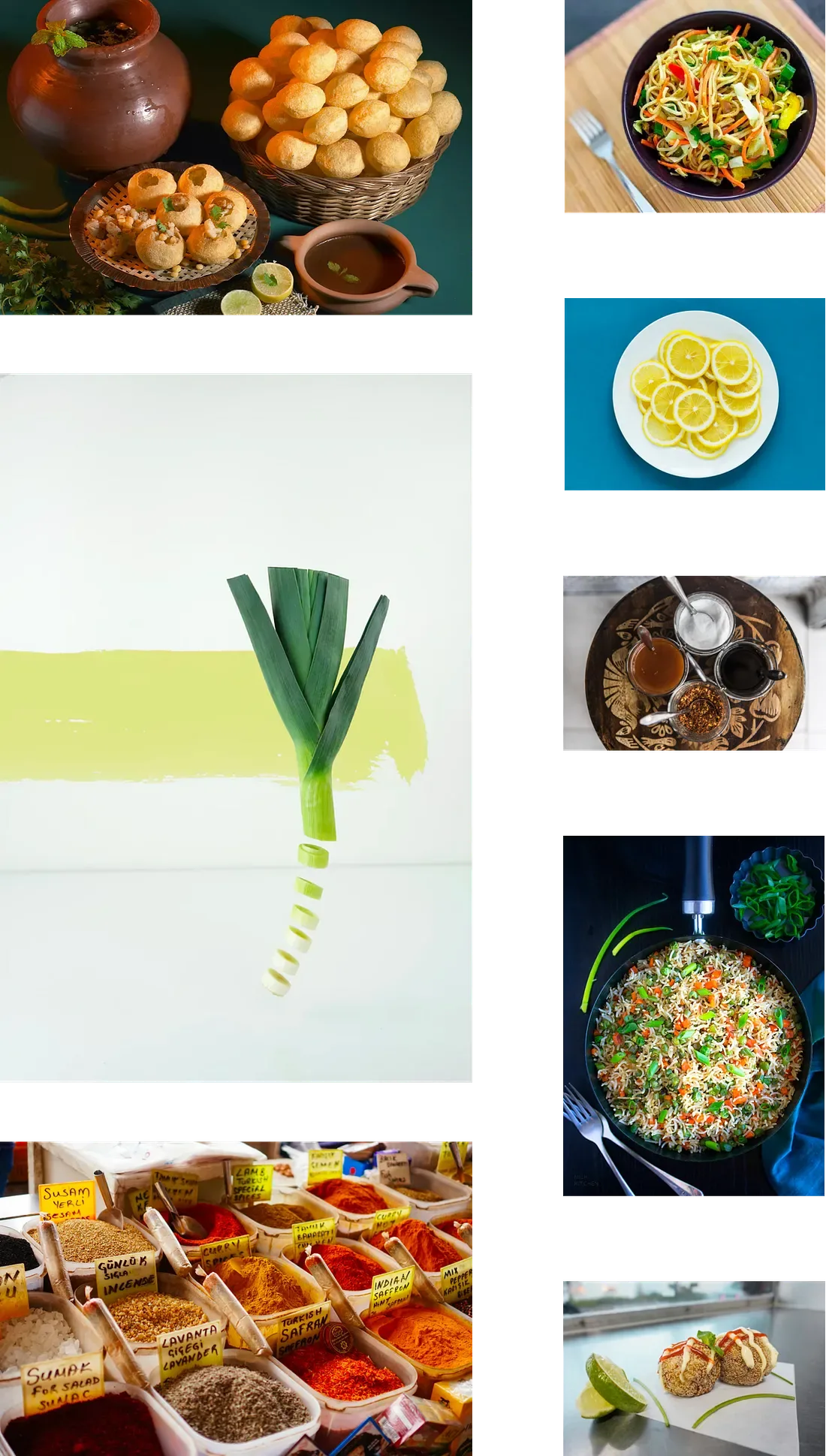
This case study breaks down how food truck branding and thoughtful Indian restaurant identity design helped Feast India Company build a loyal following, boost foot traffic, and sell out meals ahead of closing time.
The Challenge: Serving a Diverse, Discerning Crowd
The Feast India Company set out to fill a real gap in the market: a place where people could enjoy genuinely good Indian and Indo-Chinese dishes made with care. But the truck's location near a dense concentration of IT professionals meant its customers would come from many cultural backgrounds: Indian, Asian, and local communities alike.
That diversity shaped every branding decision. The identity needed to feel inclusive rather than niche, while still staying rooted in authentic Indian flavor and culture.
Key Branding Considerations
Location awareness - designing around a mixed, multicultural customer base
Cultural authenticity - staying true to Indian culinary heritage
Inclusiveness - making every visitor feel the brand speaks to them
Storytelling - millennial diners increasingly favor food with a narrative behind it
The Strategy: A Logo Built on Meaning
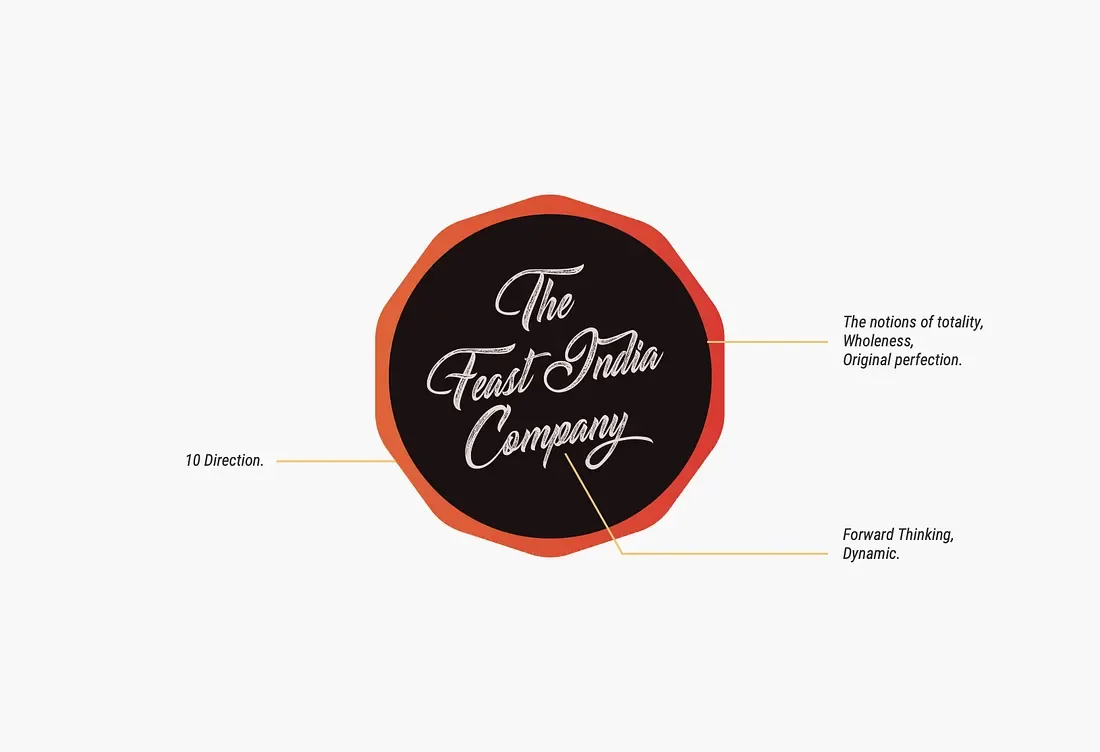
Working with agency Progressive & Bold, the brand identity was constructed around two core visual ideas:
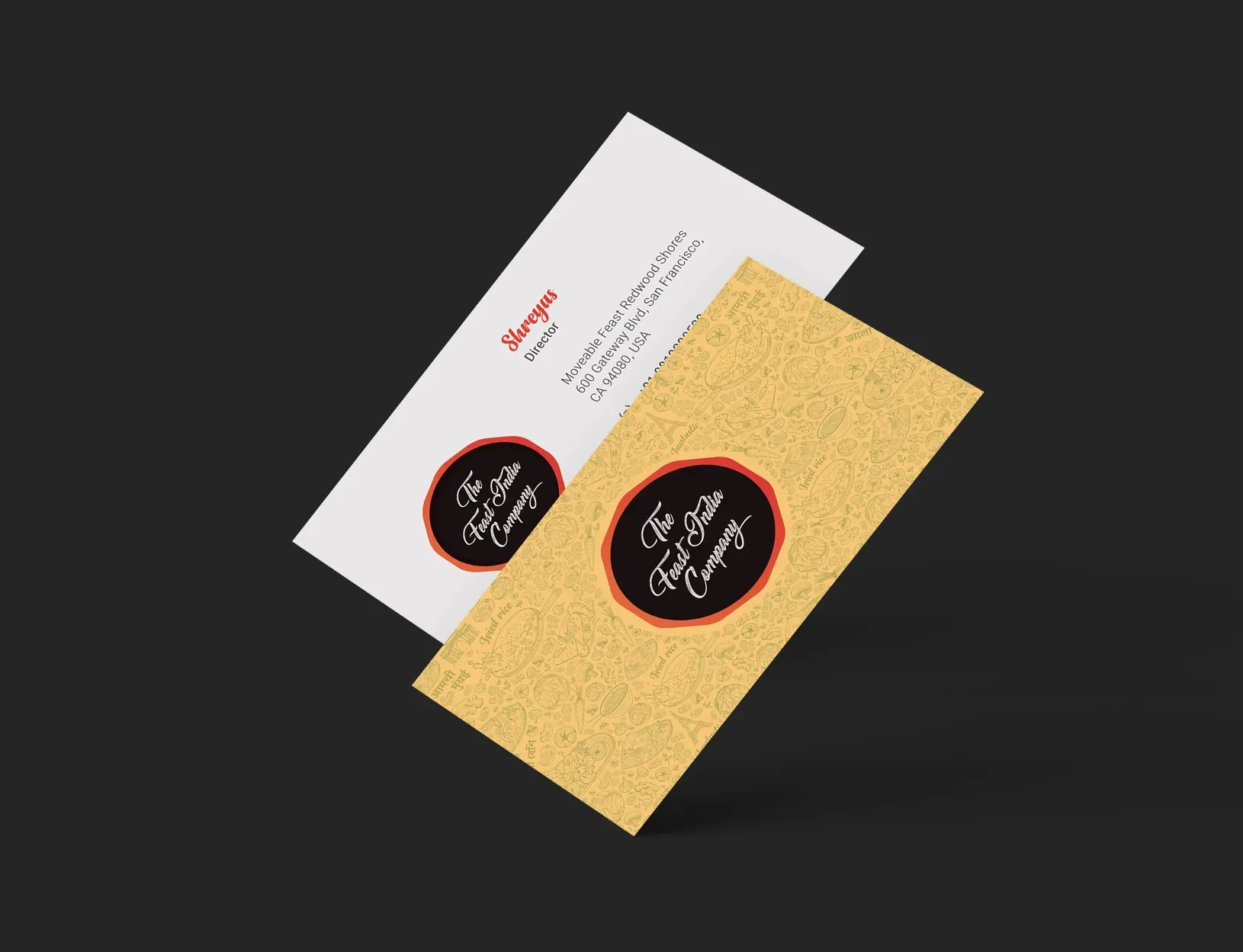
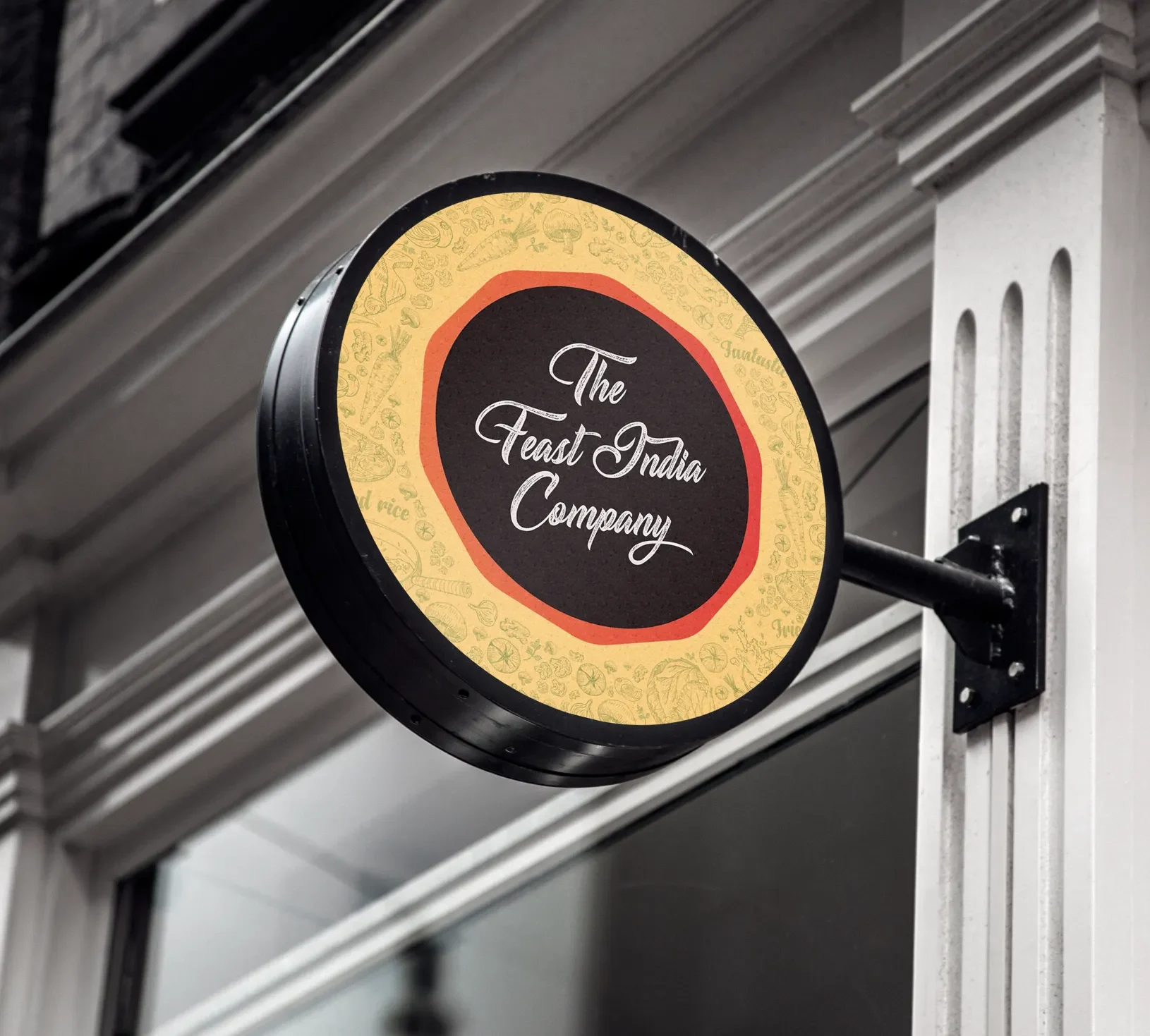
An inner circle symbolizing wholeness and original perfection - a nod to authentic, unaltered recipes.
An outer decagon representing 10 directions, a visual metaphor for inclusiveness and welcoming customers "from all directions".
The typography was chosen to project a sense of forward momentum, reflecting a brand that respects tradition while staying modern and approachable.
Bringing the Menu to Life Through Illustration
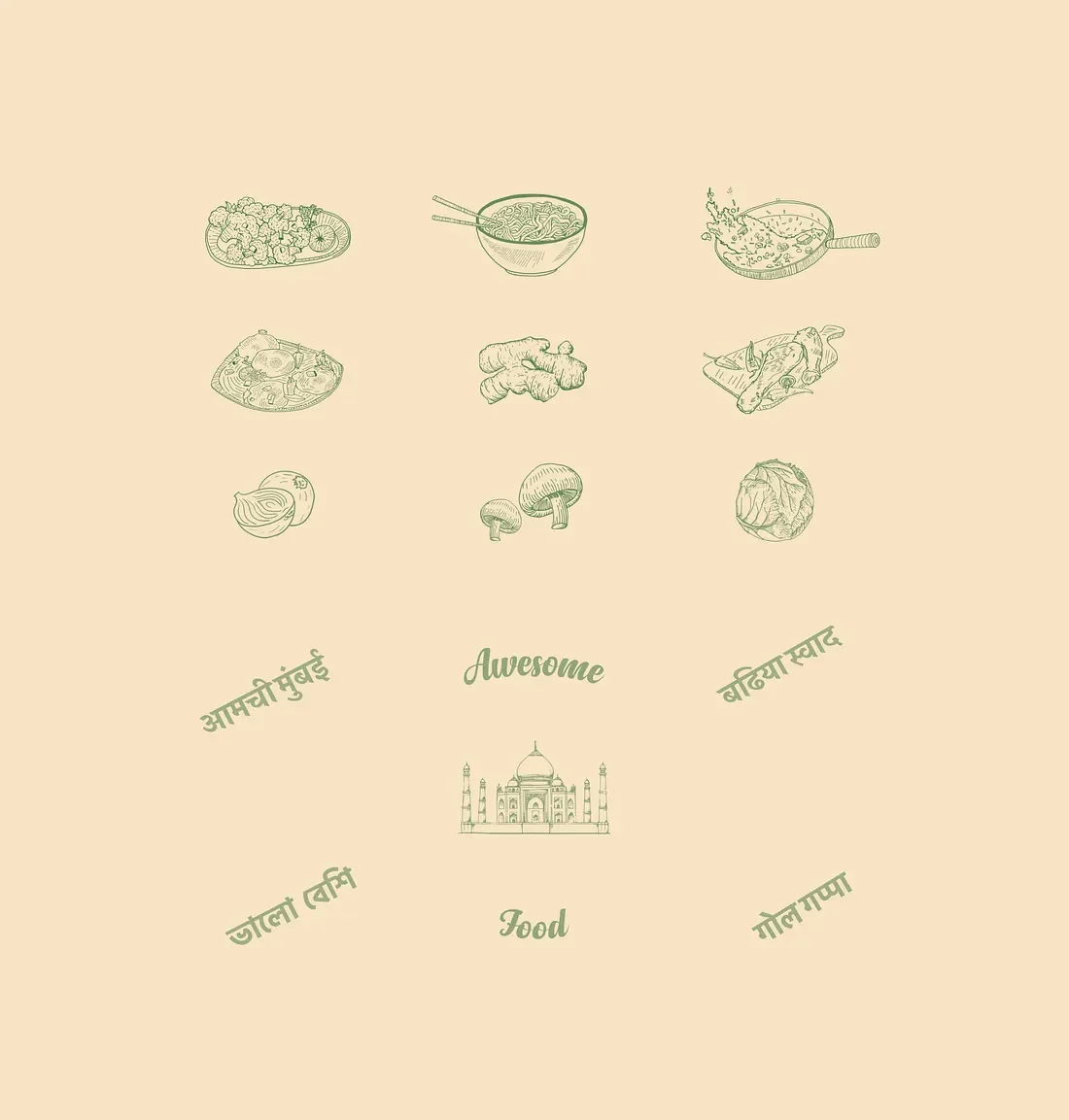
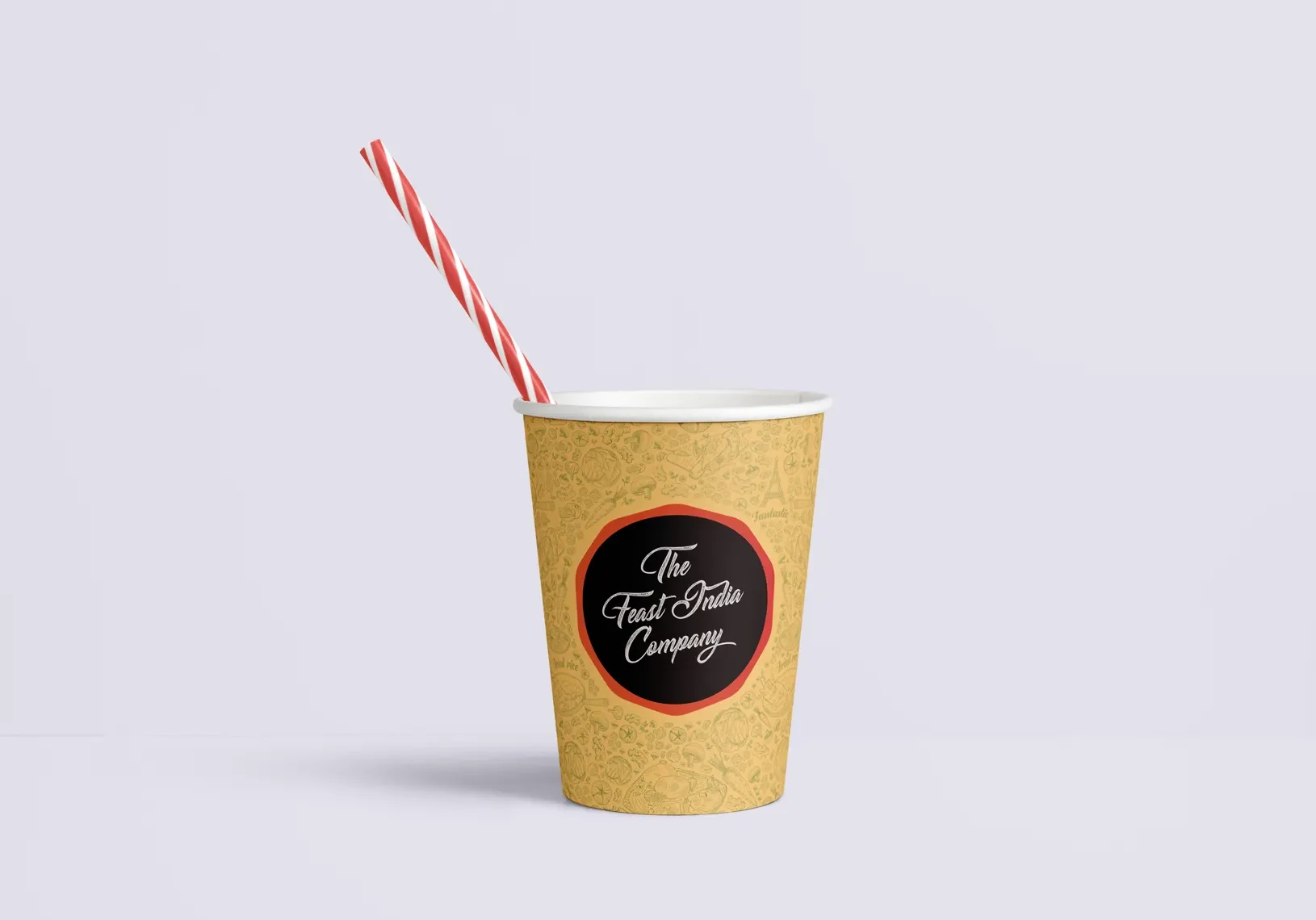
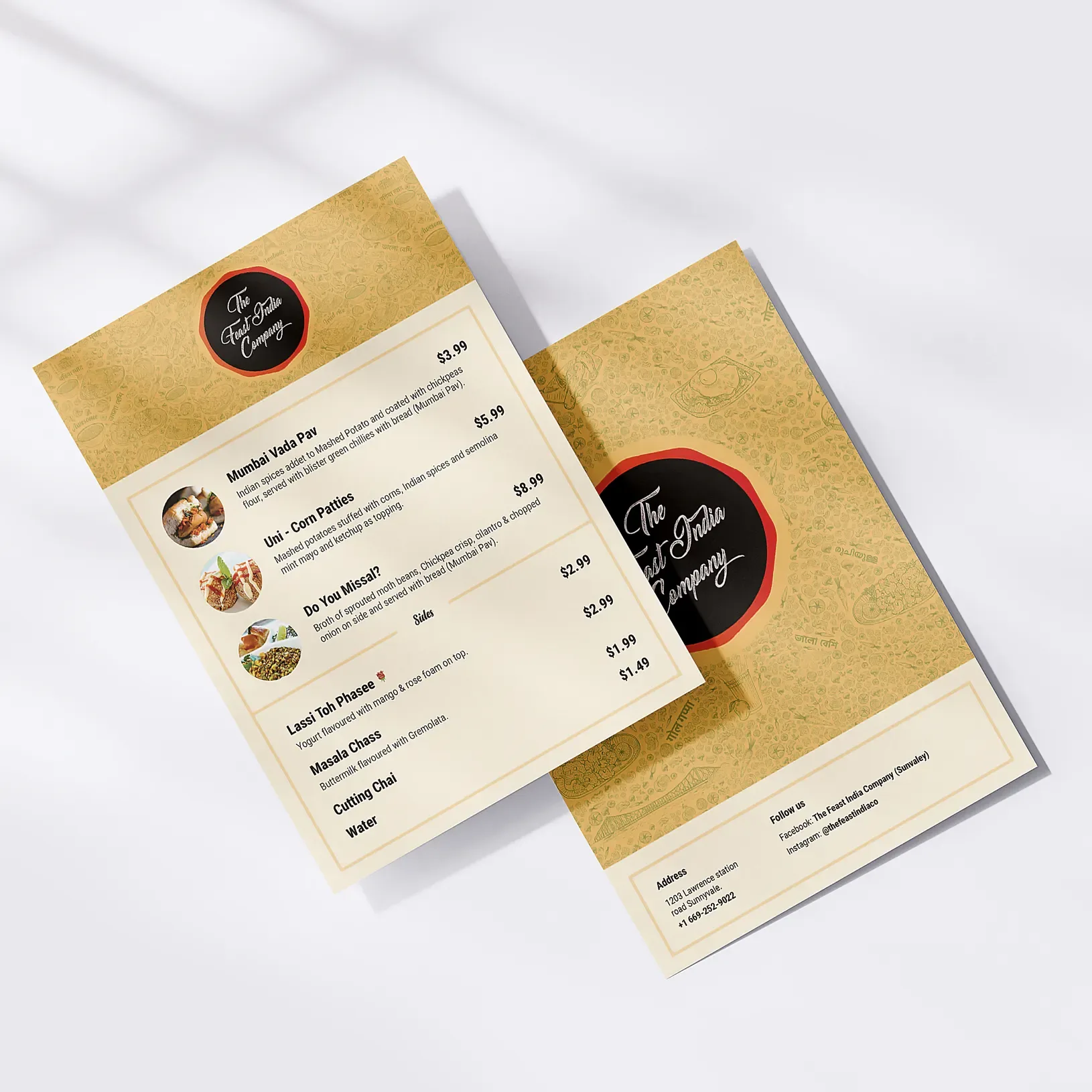
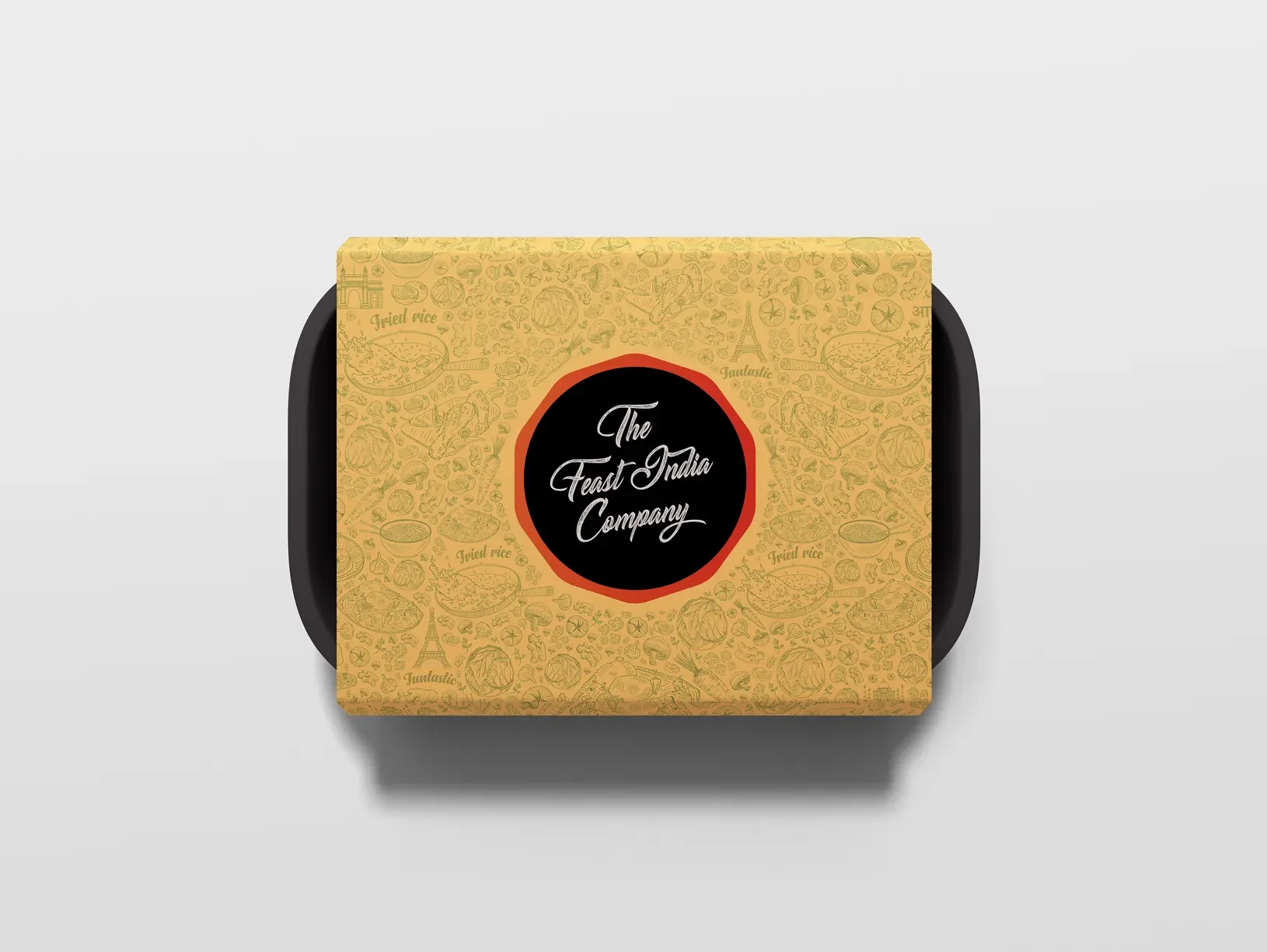
Rather than relying only on photography, the design team created custom illustrations of dishes, ingredients, landmarks, and local phrases that customers would recognize. These elements did double duty:
Sparking appetite appeal - food illustrations were sized largest to grab attention first
Building cultural connection - landmarks and local references gave the brand a sense of place
Reinforcing authenticity - every visual detail tied back to the food's origin story
This illustration-led approach carried through to merchandise design, keeping every touchpoint - from packaging to apparel - visually consistent with the core brand identity.
Marketing Amplification
To extend reach beyond the truck itself, the brand partnered with popular YouTuber Beyounick, tapping into an established audience to build broader brand awareness among the target demographic.
The Results
The rebrand achieved exactly what it set out to do: recreate the warmth of an Indian food destination while welcoming a broad, multicultural crowd. Since the relaunch, the business has seen:
Increased customer footfall at the truck
Sold-out service happening earlier than scheduled closing times on multiple occasions
Strong word-of-mouth buzz, with customers regularly queuing for the food
The decagon motif - representing "10 directions" - became more than a design detail; it reflected the reality of a customer base that genuinely does come from all directions, united by a shared craving for great food.
The decagon motif - representing "10 directions" - became more than a design detail; it reflected the reality of a customer base that genuinely does come from all directions, united by a shared craving for great food.
Why does branding matter for a food truck business? A strong brand identity helps a food truck stand out in a competitive market, communicates authenticity, and creates an emotional connection that turns first-time visitors into repeat customers.
How can a brand appeal to a multicultural customer base? By designing inclusive visual symbolism (like Feast India Company's "10 directions" concept), incorporating illustrations that reflect shared cultural touchpoints, and balancing authenticity with broad appeal.
Does influencer marketing work for small food businesses? Yes - partnering with a relevant content creator, as Feast India Company did with YouTuber Beyounick, can significantly boost brand visibility among a targeted local audience.
Key Takeaways
Authentic storytelling and thoughtful symbolism can turn a simple food truck into a recognizable local brand.
Inclusive design choices help diverse customer bases feel welcomed and represented.
Custom illustrations often connect with customers more effectively than generic photography.
Influencer collaborations can extend a small brand's reach efficiently.

Ready to build a food brand that tells a story customers can't resist? Start by identifying what makes your food - and your customers - unique, then let that authenticity guide every design decision you make.
Case study details - Agency: Progressive & Bold | Client: The Feast India Company | Location: Sunnyvale, California, USA